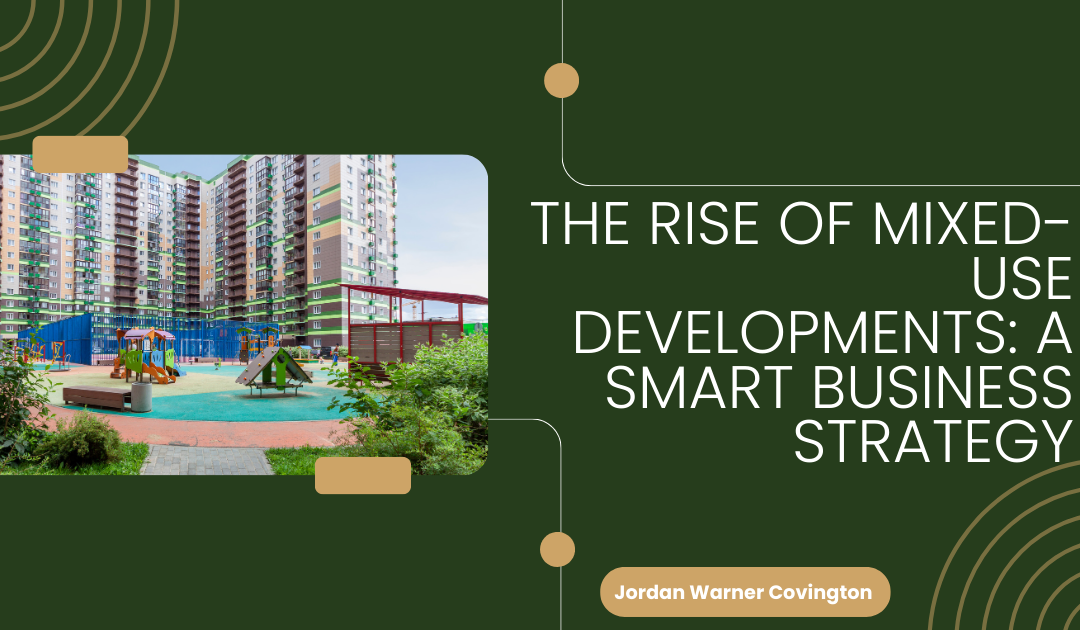
Mixed-use developments are redefining the real estate landscape across the United States. Once considered a niche concept, they are now gaining traction as a mainstream strategy for developers, investors, city planners, and business owners alike. These developments, which combine residential, commercial, retail, and sometimes even industrial or cultural spaces in one location, offer a dynamic and integrated lifestyle experience. More than just a trend, mixed-use projects represent a smart and sustainable business strategy for the modern economy.
One of the key drivers behind the rise of mixed-use developments is urbanization. As cities continue to grow and evolve, space has become a precious commodity. Communities need creative solutions to accommodate increasing populations while promoting livability, accessibility, and economic vitality. Mixed-use developments address these challenges by maximizing land use and reducing the need for long commutes, ultimately contributing to more sustainable urban growth.
Today’s consumers crave convenience and connection. Whether it’s a millennial professional, a young family, or a retiree, the ability to live, work, and play in a single, walkable area is incredibly appealing. Mixed-use developments fulfill this desire by bringing homes, offices, gyms, restaurants, parks, and retail stores into one cohesive environment. This not only enhances the lifestyle of residents and workers but also boosts foot traffic and economic activity for local businesses.
For developers and investors, mixed-use projects offer several distinct advantages. First, they help diversify revenue streams. Unlike single-use buildings, which depend on one market sector, mixed-use properties spread risk across multiple sectors. If office leasing slows down, for instance, strong residential or retail performance can help offset the decline. This diversification makes mixed-use developments more resilient in fluctuating economic conditions.
Another compelling reason behind their popularity is increased asset value. Well-designed mixed-use projects tend to command premium rents and higher property values. Tenants are often willing to pay more for the added convenience and amenities these communities offer. Retailers benefit from built-in foot traffic, and residents enjoy easy access to services, entertainment, and public transit. This synergy creates a vibrant ecosystem that boosts overall performance.
The smart business strategy behind mixed-use development extends to urban revitalization efforts as well. Many cities are repurposing old industrial zones or underutilized land into thriving mixed-use communities. By transforming these areas into walkable, attractive districts, municipalities not only generate tax revenue but also breathe new life into neighborhoods. This approach aligns with economic development goals and environmental sustainability initiatives.
From a planning perspective, mixed-use developments also encourage smart growth. They reduce reliance on cars, promote public transportation, and lower carbon emissions. By creating compact, efficient neighborhoods, these projects support healthier lifestyles and more equitable access to services. This is especially important in a time when environmental impact and social responsibility are top priorities for both consumers and corporations.
Technology is also playing a significant role in enabling the success of mixed-use strategies. Smart building systems, integrated management platforms, and data-driven design tools are making it easier to coordinate and operate complex multi-use environments. From energy efficiency to tenant experience, technology helps developers streamline operations and maximize long-term value.
One often overlooked advantage of mixed-use developments is their ability to foster a sense of community. In a time when many people feel isolated or disconnected, these developments can create meaningful social interaction and neighborhood engagement. Open spaces, shared amenities, and community events all contribute to a strong local identity and improved quality of life.
However, it’s important to note that not all mixed-use developments are successful by default. A thoughtful approach is essential. Factors such as location, zoning regulations, market demand, and demographic trends must all be carefully considered. The right mix of uses, intuitive design, and long-term management strategies can mean the difference between a thriving community and a disjointed project.
As the demand for smart, sustainable, and integrated living environments continues to grow, mixed-use developments are well-positioned to play a leading role in the future of real estate. For stakeholders willing to embrace innovation and collaboration, this model presents not just a design concept, but a blueprint for long-term success.
Mixed-use developments are not just reshaping skylines—they’re reshaping the way people live and do business. By uniting diverse elements into cohesive ecosystems, they offer a powerful, future-forward strategy that benefits residents, businesses, investors, and cities alike.